The First 5 Minutes: Making Room for Real Conversation, with Linn Vizard
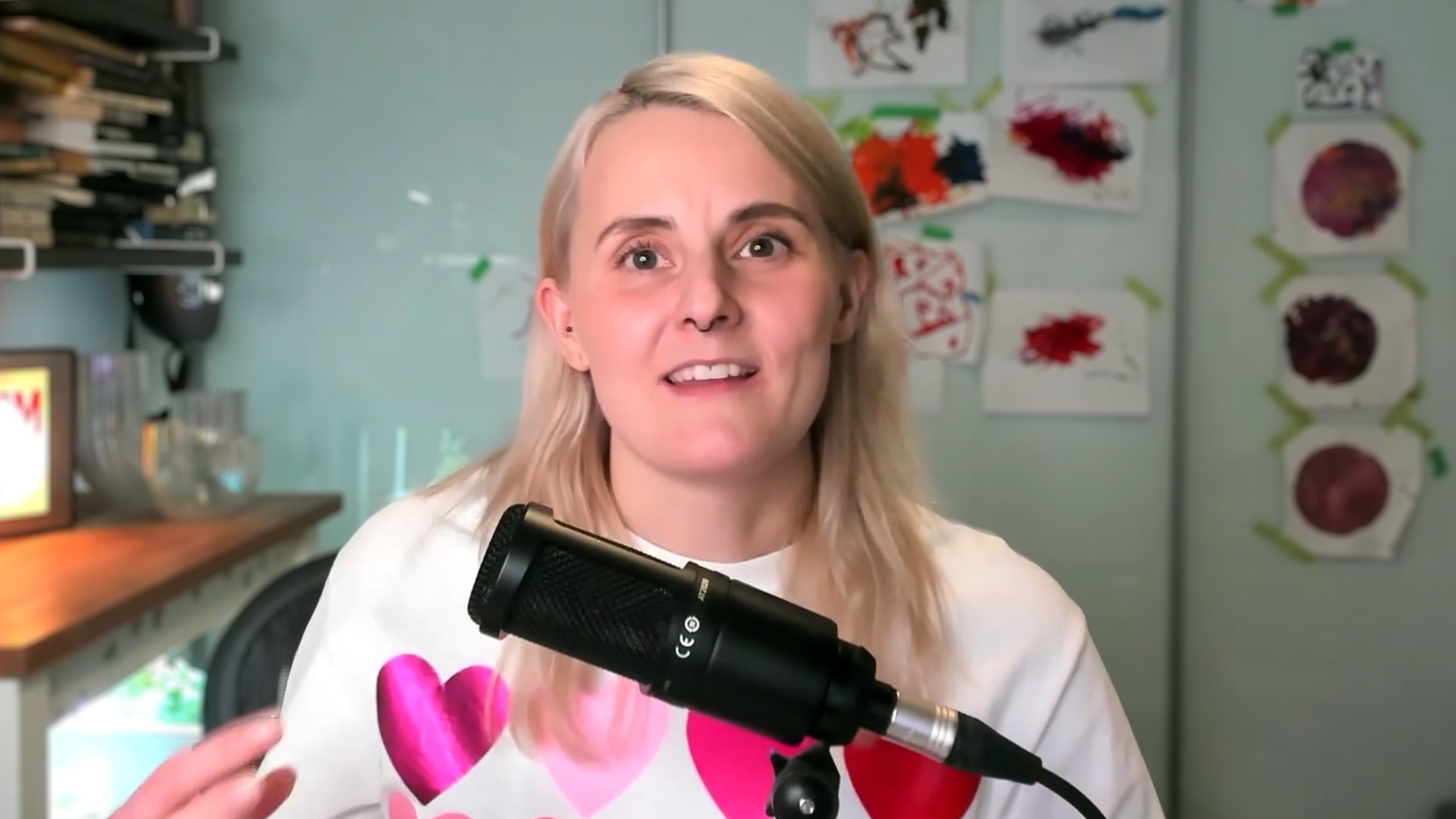
In this episode of Storylinking, I had the chance to speak with Linn Vizard. She's a service designer, founder of the Toronto-based firm Made Manifest, and the creator of a facilitation tool called Pebble Talk. This was a conversation that was as much about how conversation can help us to create the right conditions for real collaboration, as it was about specific tools and techniques.
“Without that kind of underlying trust, the idea that it’s okay to put yourself out there, to take risks and talk about your ideas... we’re not really going to be able to get very far or tap into that group intelligence and all of the different perspectives in the room.”
Linn's background is in industrial design. In our interview she described how she started out thinking she would spend her career making beautiful things, but discovered pretty quickly that what actually interested her was the systems and people around those things. What does it take to get a group of people with different agendas, different incentives, and different levels of comfort to actually work together? That question has been at the center of her practice ever since. Today her firm Made Manifest does service design work, helping organizations think through the end-to-end experience of the services they offer, and that’s work that requires lots of people to come together. Along the way Linn and her team developed Pebble Talk as a practical tool for the part of that work that often gets skipped: the human warm-up before the meeting actually begins. I first encountered Pebble Talk while looking for tools to help with my own work of bringing people into collaborative storytelling processes. Questions are a central part of the process of interview-based storytelling, and it turns out that they’re an essential part of starting most of our other collaborative conversations too.
What a question actually does
Most of us have been in a meeting that stayed shallow. The right people were in the room. Someone presented. Someone else responded politely. Questions were asked but not really answered. The people were attending but potential of that gathering just didn't get unlocked. Linn believes that this is generally a conditions problem, with people not feeling safe enough to participate.
Her solution: open with a question that has nothing to do with the agenda. Something lightweight, specific, and a little unexpected. What's a skill you learned when you were young that you still use today? How do you eat your trail mix: good bits first, or save them for last? It sounds fluffy, but I can tell you first hand this in actual load-bearing part of the conversation, much more so than random small talk.
"It's a bit of a pattern interrupt," Linn explains. It signals that this gathering is going to be different from the ones where someone immediately starts presenting at you. It gives people permission to show up as people rather than as their job titles. And it creates something Linn calls conversational turn-taking (the practice of everyone having a voice) which research on teams suggests leads to better collaboration outcomes later in the same meeting.
I was surprised to hear from Linn that groups will typically embrace the tangents. Rather than needing each conversation starter to be a specific segue into the work, she says that participants to tend to stay in the unusual space. What ends up bridging is their shared energy, even if it’s a bigger shift in coming back toward the work at hand. Stepping back this does make sense to me, as I’ve seen this myself in a documentary interview setting. When asking questions, even when time is short, it’s often better to follow an enthusiastic thread and build off that rapport, as opposed to force a specific content throughline.
Scale it to what you have
One of the things I appreciate most about how Linn thinks is that she's not prescriptive about format. Check-in rounds based on Pebble Talk work beautifully in a small group. But what do you do when you have 30 people on a Zoom call and two minutes before you need to get through an agenda?
Her answer is to adapt, not abandon. A one-word check-in in the chat. An emoji reaction to a question on screen. A quick show of hands. The specific form matters less than the underlying intention: creating a moment where people sense that their complicated human presence is expected and valued, before the real work begins. "Just start where people are," she says. "What are the modes of interaction and participation that are currently more comfortable or more familiar? And then scaffold from there."
She also makes the point, which I think is easy to underestimate, that you don't need significant organizational authority to start doing this. You can begin with any meeting you host, or even just with how you show up in someone else's with the suggestion. If you're being human, you're extending an invitation for the people around you to also be human, and that tends to ripple.
Try it
Before your next meeting, pick one question: something light, specific, and not directly related to the agenda. Write it down. Put it on the first slide, or just have it ready to ask when people arrive. Give everyone a chance to answer, even briefly. Notice what shifts in the room before you get to the first agenda item. That's the first five minutes working. See what follows, and I hope you’ll let me know how it goes!
Additional Resources
Linn's website: https://made-manifest.com
Pebble Talk (conversation starter deck): https://www.made-manifest.com/resources/pebble-talk
Ask a Service Designer (newsletter): https://us19.campaign-archive.com/home/?u=1a68a5ce1bf1835e60b4283eb&id=a54944bd66
Linn on LinkedIn: https://www.linkedin.com/in/linnvizard/