From Crayola to Community: Elevating Engagement, with Amanda Lea Kaiser
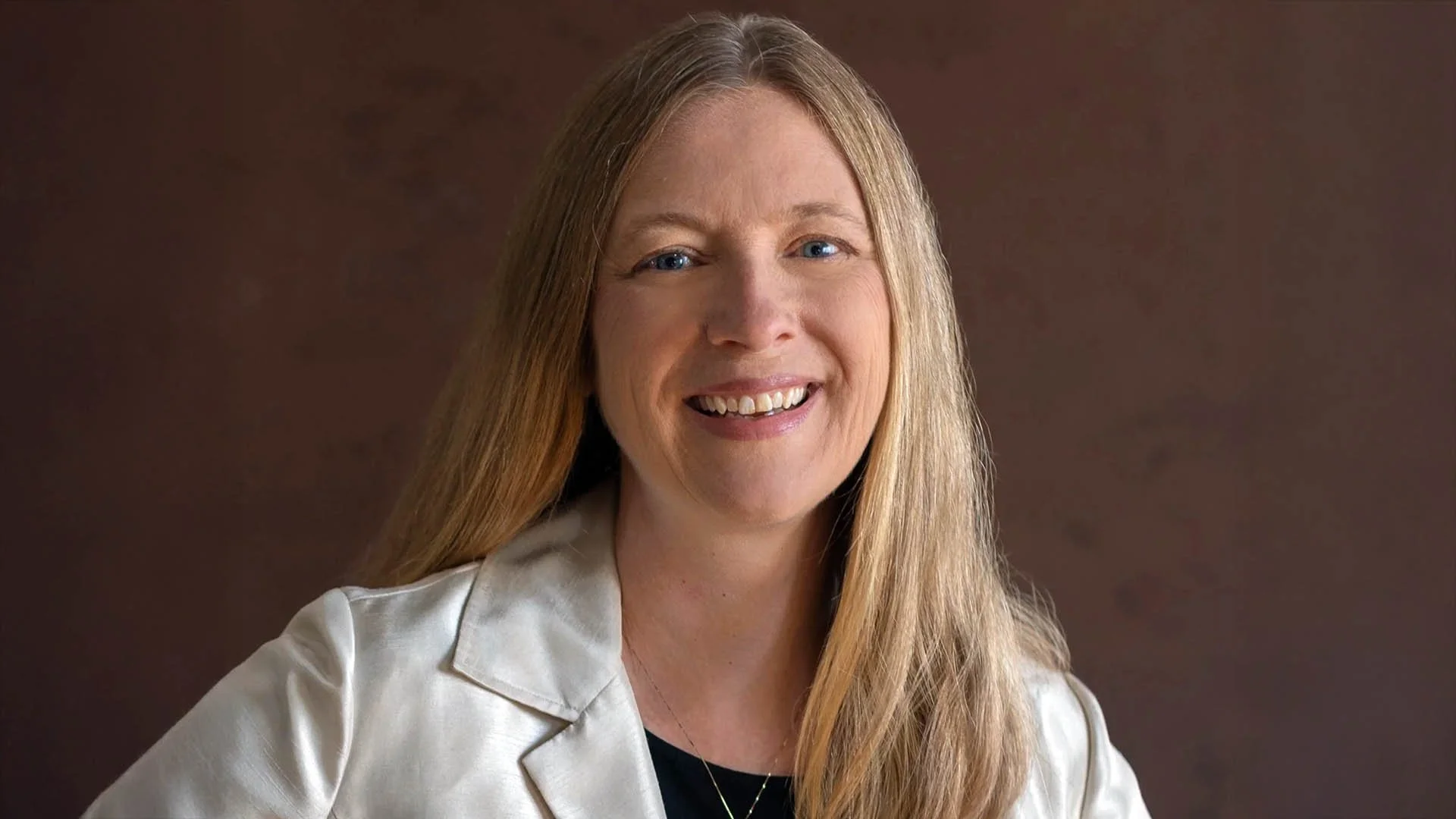
In this episode of Storylinking, I has the opportunity to speak with Amanda Lea Kaiser. She’s a
researcher, author, and keynote speaker who has spent years studying what makes people want to stay engaged in the communities they join. In our conversation Amanda shared how organizations can move beyond delivering basic value to creating the kind of experiences that help people to feel like they truly belong.
“Every time you’re gathering a group, you have the opportunity to create community... not only do I believe in the mission, but I’ve also found my people.”
Amanda Lea Kaiser started her career at Crayola, leading back-to-school marketing for all of those things I used to be so excited to have show up fresh in my backpack: crayons, colored pencils, paints, and markers. And she did that all as Crayola was celebrating its 100 year anniversary. From there she moved to advertising, then to her first national association, where she was able to put her market research skills to work studying member engagement. Amanda fell in love with the process, and eventually launched her own firm. Over the dozens of research projects with hundreds of member respondents that followed, one insight kept surfacing: if you don't have people, you don't have a mission. Today she shares what she’s learned in speaking engagements across the country, continues to develop research like her New Member Engagement Study, and helps community leaders think differently about how people actually decide to engage. I really appreciate the way she’s thinking about the small moments, experiences, and stories that ultimately make up our experiences of connection and belonging.
Value alone doesn't create belonging
Most membership organizations do a reasonable job of communicating some sort of basic value. They build programs, publish resources, and talk about their mission. But Amanda's research points to something that often gets overlooked. "The part that's missing is the experiential part," she says. "It's the how does this community make me feel?”
Tone, design, the warmth of a welcome email, how someone is greeted when they walk into a room- all of those small specifics shape that feeling. None of those pieces require a big budget; they mostly require attention. Amanda calls the organizations that get this right "green dot" communities. You know them when you encounter them. There's a palpable energy that average communities just don't have, and it usually comes down to intention and care that signal a sense of open community.
Each one of those signals sent and received is telling a story. People are reading those signals and deciding (often quickly and quietly) whether this is a place for them. We have less control over the story the people around us tell, but it’s worth considering the experiences we host through the eyes of our participants, because they give us the best chance of understanding what’s happening.
As a filmmaker, I've seen this play out very directly in the interview process. When someone feels genuinely welcomed into the process as a story collaborator, not just an interviewee, what they share is almost always richer and more honest. How we connect to a moment directly correlates with our willingness to participate.
Engagement is a path, not a moment
Amanda's book maps six stages of a typical membership journey, from initial observation all the way through to leading. It's less a funnel than a way of understanding where someone may be, and what they may need at each step.
Amanda suggests that at the beginning, new members behave like "party goers who don't know anybody else." They stand at the wall and watch. "They're not gonna feel belonging right away," Amanda explains, "but they're saying, are these people like me? Could I find a home here someday?" Based on Amanda’s research, only about 5% of those bystanders will dive in on their own. The other 95% are waiting for someone like you to break the ice. A warm hello, a quick introduction, or showing someone where they can sit all cost almost nothing and matter enormously in the context of a formative engagement.
I think a lot of us know this intuitively, but among the competing concerns of leadership and convening, it’s easy for the human welcome to get squeezed out. And that first impression does a lot of the work. Going back to my comparison with the documentary interview experience, I would equate this to the moment someone first walks in and sees the bright lights of a video setup, or connects to a virtual studio. It’s a lot to take in, and in that moment I know the person I’m connecting with is making some very quick devisions about how to engage. And if we can get those first moments right, then more good things will follow.
Don’t ignore bids for connection
At some point, a new member will test the water of the experiences we’re offering. They'll post in a forum, ask a question, raise their hand. Amanda calls these moments "bids for connection", a concept developed by relationship researchers Julie and John Gottman. When a bid is ignored, the odds are good that person won’t try again.
Amanda cites research by Richard Millington at Feverbee that makes this concrete. "If you post one time in an online community, you don't receive any kind of affirmation or response or validation, you'll never post again," she suggests. This is what Amanda describes as the 18-hour rule: respond within that window and someone will likely post again. Miss it, and they probably won't.
It's easy to read this as a problem to do with how hard it is to connect through a computer screen. But the same dynamic can easily play out in person. If someone comes to an event and nobody talks to them, they're probably not coming back. If someone hears us telling the story of a group and doesn’t feel included, they might decide that they shouldn’t become an active participant. Being aware of newcomers isn’t just good manners, it's the first toe hold in increasing engagement. And if we can be responsive, that’s a signal to others that we value their presence.
Build leaders through micro-volunteerism
When volunteer pipelines feel thin, a common instinct is to make a bigger ask, a sort of “Hey, you’re new here. Why not dive right in to help us build this organization?”
Amanda suggests the opposite. She draws a distinction between "big V" volunteerism (e.g. boards, committees, formal roles, etc.) and "little V" or micro-volunteering opportunities (e.g. running registration, managing the chat in a webinar, welcoming a first time attendees at an event.)
In Amanda’s experience, the path to big V usually runs through little V. "You get a new member in and they're starting to participate a little bit," she explains. "You see them raising their hand. They're connecting with other people. They're doing the small talk thing. So then maybe you ask them to do a little job that takes 10 minutes." Some people will light up. Those are the ones to watch and nurture forward.
I find this framing useful beyond volunteerism. When I think about building a storytelling culture in an organization, the path looks similar. There's a certain amount of commitment and vulnerability required to raise your hand — to respond, contribute, or share a story. If we notice who engages, even just a bit, we can invite them into something small and purposeful as a next step, then see who comes back for more. Belonging and contribution tend to grow together that way.
Consider your emotional impact
So how can we create an environment compatible with growing both a sense of belonging and a willingness to contribute? Amanda suggests that before any community interaction, be it a meeting, a welcome email, or a workshop, we can ask ourselves: how do I want members to feel? Pick one or two emotions. Write them down, and carry them in. Consider it your lightweight creative brief for the experience, working toward not just things that need to be accomplished, but the feelings you hope to create.
"You can do this maybe like in the five or 10 minutes before the meeting starts," she says, "and it actually changes the way you approach that meeting." According to Amanda, this creates a ripple effect. "Culture is contagious. So people will look to leaders to see how they behave, and they'll emulate some of those behaviors."
Try it
Pick one experience in your community, and try Amanda's question before you step into it: how do I want people to feel? Choose just a couple of specific emotions. Write them down. Then see how those words change the way you prepare, what you say, and how you show up. You might be surprised how much shifts when you're leading with an emotional intention rather than an agenda item. Start there, see what you notice, and consider how you can improve.
Additional Resources
Amanda Lea Kaiser's website - blog, free engagement resources, and checklists
Elevating Engagement: Uncommon Strategies for Creating a Thriving Member Community - Amanda's book
New Member Engagement Study - research Amanda has co-created with Dynamic Benchmarking